
The Art of Watercolor: Tips for Beginners
- kathleengalbraith0
- Jan 28
- 4 min read
Watercolor painting is a captivating art form that allows for creativity and expression through the fluidity of paint and water. Whether you are a complete novice or someone looking to refine your skills, understanding the basics of watercolor can open up a world of artistic possibilities. In this post, we will explore essential tips for beginners, covering everything from materials to techniques, to help you embark on your watercolor journey.

Understanding Watercolor Materials
Before you start painting, it’s crucial to familiarize yourself with the materials you will be using. Here’s a breakdown of the essential items:
Watercolor Paints
Watercolor paints come in two main forms: tubes and pans.
Tubes: These are concentrated pigments that you can squeeze out and mix with water. They are great for larger washes and vibrant colors.
Pans: These are solid blocks of paint that activate with water. They are portable and perfect for sketching on the go.
Brushes
Choosing the right brushes can significantly impact your painting experience. Here are some common types:
Round Brushes: Versatile and great for detail work.
Flat Brushes: Ideal for washes and broad strokes.
Fan Brushes: Useful for creating texture and foliage.
Paper
Watercolor paper is specially designed to handle the water and pigment. Look for:
Cold-pressed (NOT): Textured surface, great for lifting and blending.
Hot-pressed (HP): Smooth surface, ideal for detailed work.
Rough: Highly textured, perfect for dramatic effects.
Palette
A good palette allows you to mix colors effectively. You can use a traditional ceramic palette or a plastic one with wells for mixing.
Basic Techniques to Master
Once you have your materials, it’s time to practice some fundamental techniques that will enhance your watercolor skills.
Wet-on-Wet
This technique involves applying wet paint onto wet paper. It creates soft edges and beautiful blends. Here’s how to do it:
Wet your paper with clean water using a brush or a spray bottle.
Apply your watercolor paint while the paper is still wet.
Watch as the colors blend and flow into one another.
Wet-on-Dry
In contrast to wet-on-wet, this technique involves applying wet paint onto dry paper. It produces sharper edges and more defined shapes. To practice:
Allow your paper to dry completely.
Apply your paint directly onto the dry surface.
Experiment with different brush strokes for varied effects.
Glazing
Glazing is a technique where you apply a transparent layer of paint over a dry layer. This adds depth and richness to your colors. Here’s how to glaze:
Allow your first layer of paint to dry completely.
Mix a transparent color and apply it over the dried layer.
Repeat as needed to build up color intensity.
Lifting
Lifting is the process of removing paint from the paper. This can create highlights or correct mistakes. To lift paint:
Use a damp brush or a clean sponge.
Gently scrub the area where you want to lift the paint.
Blot with a paper towel to absorb excess water.
Color Theory Basics
Understanding color theory is essential for creating harmonious paintings. Here are some key concepts:
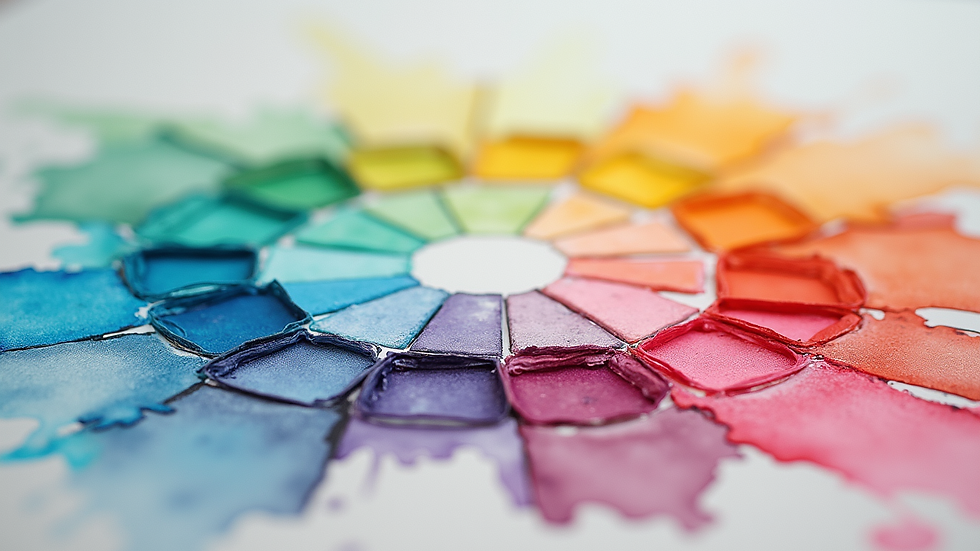
Color Wheel
The color wheel consists of primary, secondary, and tertiary colors.
Primary Colors: Red, blue, and yellow. These cannot be created by mixing other colors.
Secondary Colors: Green, orange, and purple. These are made by mixing primary colors.
Tertiary Colors: These are created by mixing a primary color with a secondary color.
Complementary Colors
Complementary colors are opposite each other on the color wheel. When placed next to each other, they create contrast and vibrancy. For example, blue and orange are complementary colors.
Color Mixing
Experimenting with color mixing can lead to unique shades and tones. Start with a limited palette and mix colors to see how they interact.
Composition and Design
A well-composed painting draws the viewer's eye and creates a sense of balance. Here are some tips for effective composition:
Rule of Thirds
Divide your canvas into a 3x3 grid. Place focal points along the lines or at the intersections to create a more dynamic composition.
Leading Lines
Use lines within your painting to guide the viewer’s eye toward the focal point. This can be achieved through natural elements like roads, rivers, or tree branches.
Balance
Ensure that your composition feels balanced. This can be achieved through symmetrical or asymmetrical arrangements of elements.
Practice and Experimentation
The key to becoming proficient in watercolor painting is consistent practice. Here are some ways to keep improving:
Daily Sketching
Set aside time each day to sketch. This can be as simple as painting a single object or experimenting with different techniques.
Join a Class or Workshop
Consider taking a class or attending workshops to learn from experienced artists. This can provide valuable feedback and new perspectives.
Explore Different Styles
Don’t be afraid to experiment with various styles and subjects. Whether it’s landscapes, portraits, or abstract art, exploring different genres can help you find your unique voice.
Troubleshooting Common Issues
As you begin your watercolor journey, you may encounter some common challenges. Here are solutions to help you overcome them:
Overworking the Paint
If you find that your colors are becoming muddy, it’s likely that you are overworking the paint. Allow layers to dry before adding more paint to prevent this.
Unwanted Blooms
Blooms occur when water pools on the paper, causing the paint to spread unexpectedly. To avoid this, control the amount of water you use and ensure your paper is evenly wet.
Faded Colors
If your colors appear washed out, consider using more pigment or less water. Experiment with different ratios to achieve the desired intensity.
Final Thoughts
Watercolor painting is a rewarding and expressive medium that invites creativity and exploration. By understanding your materials, mastering basic techniques, and practicing regularly, you can develop your skills and create beautiful works of art. Remember, every artist has their unique journey, so embrace the process and enjoy the experience.
As you embark on your watercolor adventure, keep experimenting and learning. The more you paint, the more you will discover your style and preferences. So grab your brushes, unleash your creativity, and let the world of watercolor inspire you!

Comments